The Nightingale
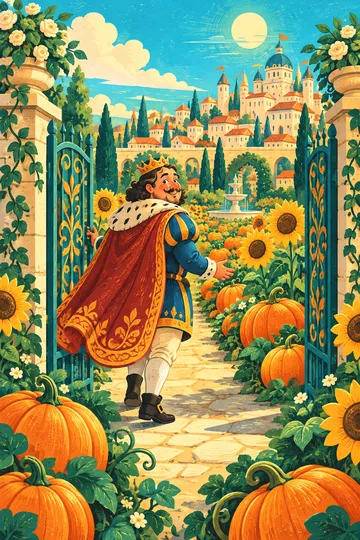
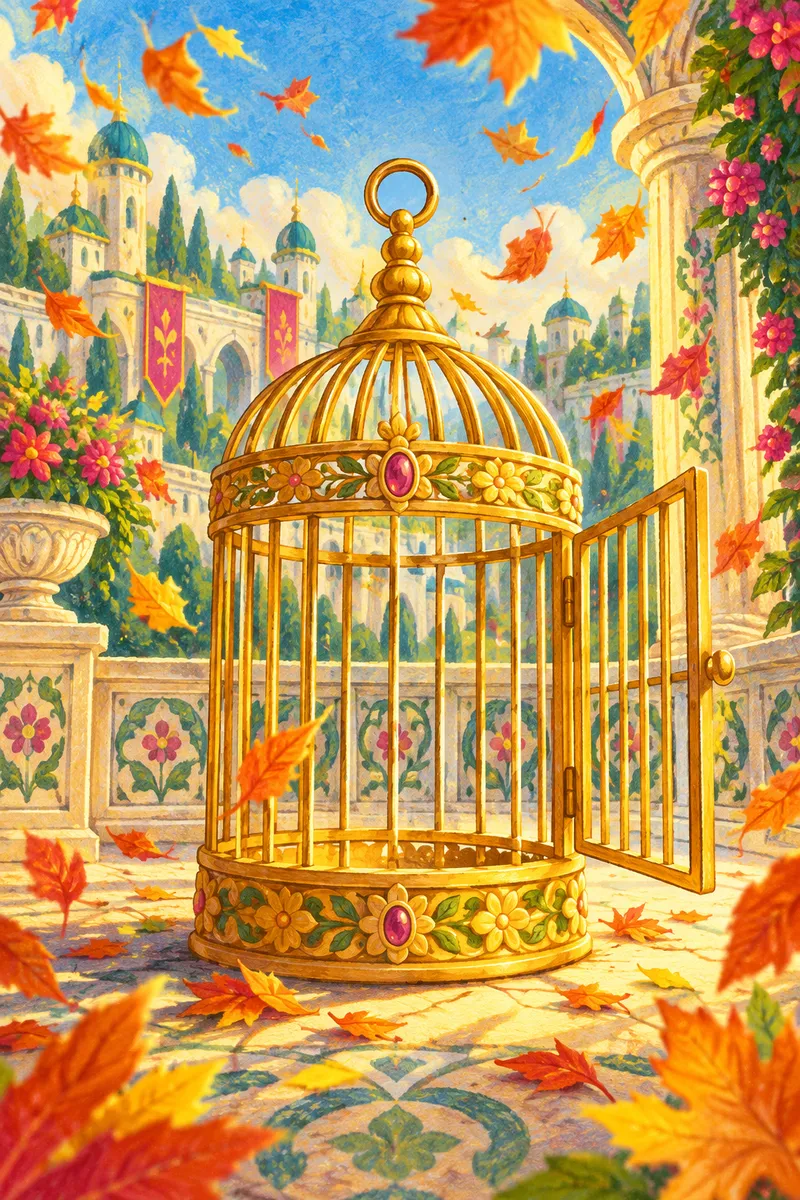
In a magnificent Chinese palace, an emperor who knows little of his own kingdom discovers through books that a nightingale sings more beautifully than anything else in the world. He commands his court to find this mysterious bird so he may hear her song for himself. The search proves difficult until a poor kitchen girl recognizes the simple gray bird from her walks by the sea. She leads the eager courtiers to the forest, where the nightingale performs a enchanting melody that moves the emperor to tears. Delighted by her gift, the emperor invites the bird to stay at court, but she prefers her freedom in the green woods. The city becomes obsessed with the nightingale until a jeweled mechanical bird is presented as a replacement. This artificial songbird sings perfect waltzes repeatedly and charms the superficial courtiers who praise its intricate mechanics over true artistry. The real nightingale flies away in sorrow, feeling unappreciated for her genuine love of nature and the emperor. Without her natural voice, the emperor grows fond of the machine until it breaks down after years of use. When the emperor falls fatally ill, Death sits upon his chest while the broken bird remains silent and useless. Just as hope seems lost, the nightingale returns to sing songs of life and redemption in the dark room. Her beautiful music drives away Death and restores the emperor to health and strength. The grateful ruler begs her to stay permanently, but she wisely chooses to visit only when needed to remind him of truth and humanity. She asks for nothing but the freedom to fly and to sing for those who truly need comfort. The story ends with a renewed bond between the wise emperor and the loyal bird, who brings joy through simple, heartfelt melodies.